Exploring the Shafter Texas Ghost Town: Overlanding Into Far West Texas History

Affiliate Disclosure: This post is unsponsored, I don't take products for free to do reviews on them. To support the studio, I use affiliate links from Amazon and eBay. If you click and purchase, I may earn a small commission at no extra cost to you.
📌 Quick Summary / TL;DR
The Accidental Discovery: What looked like just another abandoned silver camp off Highway 67 turned out to be an active, multi-million-dollar historic preservation project in the Shafter Texas ghost town.
A Frontier Living Museum: Spearheaded by industrialist John B. Poindexter and the Tidewater and Big Bend Foundation, Shafter’s scavenged adobe ruins, 1920s Conoco station, and freight wagons are being restored into an open-air museum.
Monumental Western Art: Renowned Utah sculptor Scott Rogers has placed an extraordinary series of raw, unvarnished bronze statues right in the desert dust—from the courtyard riders (Roundup and El Vaquero) to a solitary Chiricahua Apache warrior guarding the mountain pass.
Deep Borderlands Heritage: Discover the unbroken historical thread linking 16th-century Spanish Conquistadors and early water sources directly to Milton Faver’s 1850s fortified compounds at Cibolo Creek Ranch.
What You Will Learn in This Post
If you are planning an overlanding trip through Big Bend or driving the remote stretch of Highway 67 between Presidio and Marfa, this guide gives you an insider look at one of Far West Texas’s best-kept secrets. Instead of blasting down the pavement at 65 mph, you will discover why turning down Cibolo Creek Road into the historic Shafter Texas ghost town is worth every minute of the detour.
In this companion guide, you will explore:
The Rise and Fall of the Silver Capital: How John W. Spencer’s 1880 strike gave birth to the Presidio Mining Company, why the town was systematically stripped of its timber in the 1940s, and how dry-stacked stone foundations survived decades of desert exposure.
The Sculpture Trail of Scott Rogers: Detailed breakdowns and locations of monumental Western bronzes installed on site—including Trail Boss, The Wrangler, the dramatic courtyard face-off between Roundup and El Vaquero, and the hidden Chiricahua Apache.
Frontier Connections & Historic Relics: The stories behind the restored 1920s gravity-feed gas pumps, antique freight wagon wheels, a clever industrial "Easter egg," and the vital link between early Spanish expeditions and Milton Faver’s historic desert forts.
Whether you're an overlander looking for compelling scenic backroads, a history enthusiast tracking Trans-Pecos mining lore, or an art lover fascinated by bronze casting in wild places, this post lays out the layout, backstories, and video timestamps you need to explore Shafter for yourself.
Brutal Conditions, Hard Work, and Tough People
The Chihuahuan Desert of Far West Texas has never been gentle. It breaks wood, bleaches bone, and grinds stone down to dust over centuries. Anyone who carved out an existence in these barren mountains—conquistadors, Apaches, vaqueros, miners, and cowboys—had to match the brutal grit of the land just to survive.

A Chance Encounter Turns Into an Exploration of Far West Texas History
I had just wrapped up a rugged run through Big Bend and a border crossing to Boquillas, Mexico, where I waded across the Rio Grande and rode a burro into town. Heading back, the sweeping vistas along Highway 170, the River Road, and the chance to travel fresh routes instead of bee-lining it home to Las Cruces called me out.
Driving north on Highway 67, I caught the historic road marker and remembered a rule I learned long ago: you never know when you’ll make it back to a remote stretch of country, so take the time to explore when opportunity knocks. I hit the brakes, swung a U-turn, and rolled off the blacktop. What I expected to be a quick glance at sun-bleached ruins turned into an incredible discovery: the historic Shafter Texas ghost town is quietly being transformed into a world-class open-air museum and Western art gallery.
...you never know when you’ll make it back to a remote stretch of country, so take the time to explore when opportunity knocks.
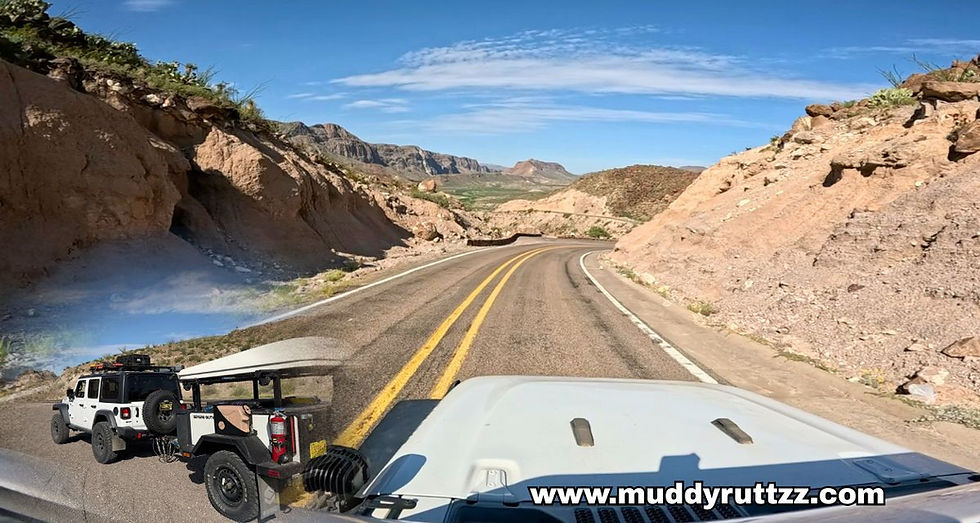
Taking the Scenic Back Road Out of Big Bend
Highway 67 winds through dry arroyos and sweeping volcanic formations that define the Trans-Pecos. Shafter sits about 20 miles north of the Mexican border and 40 miles south of Marfa. From the highway asphalt, it is easy to assume Shafter is just another abandoned silver camp reduced to crumbling stone outlines.
Most drivers blow past the turnout at 65 miles per hour. Slowing down, turning off the pavement, and stepping onto Cibolo Creek Road reveals a stunning desert secret: this is no forgotten collection of ruins. It is actively being transformed into an expansive open-air frontier museum.


History of the Shafter Texas Ghost Town and J.B. Poindexter
Boom and bust is the story behind just about every ghost town, and Shafter is no different. Silver was discovered here in 1880, and the Presidio Mining Company was created. Thousands of miners and families made a living from the earth until operations permanently shut down in the 1940s.

Rise and Fall of the Presidio Mining Company
I have visited a bunch of ghost towns across the West, and usually, old buildings are either still standing intact or lying in a collapsed pile of weathered rubble. Shafter was different. The Shafter Texas ghost town was abandoned quickly, but instead of rotting in place, the buildings were systematically stripped. Inhabitants salvaged the valuable roof timbers, dimensional lumber, and hardware, hauling the materials away to help build a new life somewhere else.
What remains today are dry-stacked stone walls and adobe foundations in various states of decay. But now, Shafter is getting a rare second chance at life. The settlement is being transformed into a living museum and open-air gallery, with a number of historic structures actively being restored by the Tidewater and Big Bend Foundation.
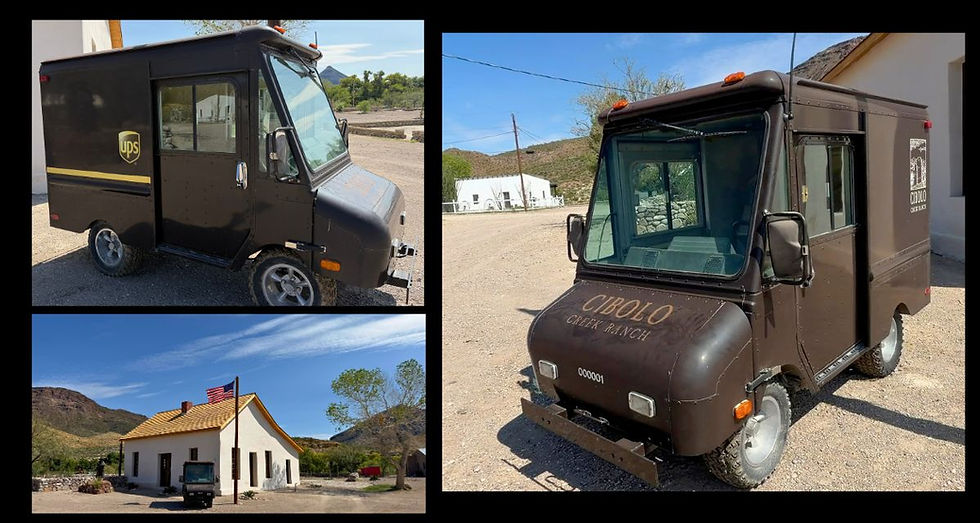
The Vision of the Tidewater and Big Bend Foundation
Just down the road sits Cibolo Creek Ranch, which began around 1850 as the first major cattle operation in Far West Texas. A tough pioneer by the name of Milton Faver built three fortified adobe compounds to protect his operations from cross-border bandits, hostile Apache bands, and horse thieves. Cibolo Creek Ranch was John B. Poindexter’s first major historical restoration project, turning those ruined forts into a world-renowned destination.
Now, Poindexter is investing millions into Shafter, repairing masonry, rebuilding roofs, and installing an extraordinary collection of Western bronze statues by Utah sculptor Scott Rogers. Together, the restored stone buildings and these raw, unvarnished bronzes tell the unique story of this rugged borderlands frontier.

Cibolo Creek Road and the Frontier Relics In Shafter
Driving down the graded gravel of Cibolo Creek Road feels like crossing a temporal boundary. Across from the stone foundations, dozens of heavy, sun-weathered iron wagon wheels lean against dry-stacked stone walls, a physical reminder of the heavy teamsters who hauled freight between remote silver diggings and distant railroad depots.

The Conoco Station And Gravity Pumps
Flanking the road are genuine historical working components: authentic 1920s gravity-feed gasoline pumps, restored automotive garages, an olive-drab vintage military truck, and lines of preserved wooden freight wagons.
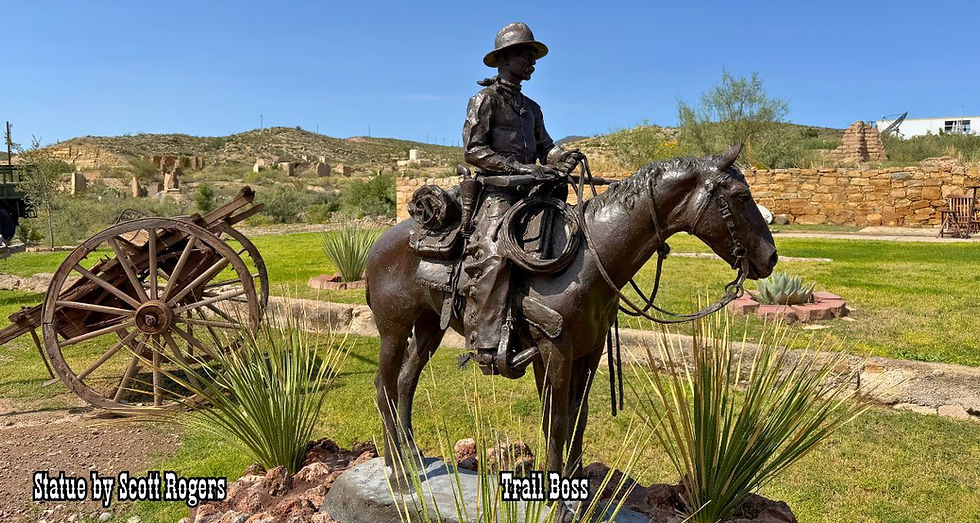
Scott Rogers’ Bronze Masterpiece: "Trail Boss
Standing guard in the desert dust is the first monumental artwork you encounter by renowned Utah sculptor Scott Rogers: "Trail Boss." Mounted, rifle cradled, and staring down the wind, the bronze figure looks as though he grew right out of the caliche rock.

The Wrangler": Honoring Frontier Working Hands
Nearby stands "The Wrangler." The craftsmanship here is extraordinary—from the coiled lariat to the fringe on the chaps, right down to the three-leaf clover stamped into the leather, hinting at the Irish ancestry carried by many frontier cowhands who headed west.

The Church Courtyard Bronzes and Borderlands Heritage
Behind the restored historic church, the site opens into a curated sculpture courtyard surrounded by desert flora, low stone walls, and stabilized foundations. Rogers’ bronzes do not portray sanitized Hollywood cliches; they depict weary, watchful figures carrying the physical weight of borderlands survival.
Two life-size equestrian bronzes dominate the center of the courtyard:
"Roundup": An American cowboy working his mount with quiet, focused determination. (shown above)
"El Vaquero" Facing him across the gravel, a Mexican horseman exhibiting the deep equestrian heritage and gear traditions that defined cattle working long before Anglo settlers arrived.

Frontier Honor and Law: "Hombre de la Palabra" and "The Law Remembers
Tucked near the church walls stands "Hombre de Palabra" ("A Man of His Word"). Standing on his own two feet, draped in a heavy serape with his hat angled against the high-desert glare, the sculpture embodies frontier honor. In an isolated wilderness hundreds of miles from courthouses or legal contracts, your word was literally your bond.
Nearby, watching the northern edge of the grounds, stands "The Law Remembers." Clad in an oilskin duster with a shotgun at the ready and cold iron shackles resting at his boots, this figure captures how frontier justice operated in mining camps: through dogged resolve and tracking across miles of desert wash.


The Hidden "Chiricahua Apache" Bronze Sculpture
Before pulling out to head north toward Marfa, taking a right turn deeper along the northern edge of the settlement leads to the most arresting figure on the property.
Set solitary against native creosote and scree stands Scott Rogers' monumental "Chiricahua Apache." Crouched low, rifle ready in one hand while the other points ahead, the statue commands the mountain pass. The fierce focus and tension carved into the warrior's face immediately stops you in your tracks. It pays unvarnished tribute to the Native people who mastered and defended the Chinati Mountains generations before silver prospectors struck ore.

Conclusion: From Spanish Armor to Desert Adobe
I couldn't wrap up this post without highlighting Scott Rogers’ compact bronze, For Spain, Glory and Gold. Spanish expeditions arrived at the Rio Grande near Presidio in the late 1500s, nearly three centuries before Milton Faver built his three fortified adobe compounds at Cibolo Creek Ranch. The connection between them comes down to a simple desert truth: water. Faver settled the very same spring-fed oasis and mountain arroyos that Spanish explorers used to navigate this arid wilderness.
If the mission of the Shafter Texas ghost town museum is to get folks to see how deep frontier history really runs, it hit the mark. This stop completely changed how I look at this corridor. It took me way past the usual campsite wondering of whether I could make it in this desert, pushing me to really dig into the grit, trades, and heritage of the people who called it home.
Seeing the masons and restoration crews at work felt like catching an exclusive preview of something monumental. I’ll definitely be tracking the foundation's progress, and when the project is finished, the rig is pointing right back toward Shafter. Next time, I’ll arrive with an understanding that makes every stone foundation and bronze figure that much more meaningful.

Muddy Ruttzz is a digital creator, overlander, and DIY builder documenting rugged vehicle builds and outdoor adventures. Backed by a career in industrial sheet metal fabrication, heavy infrastructure construction, and mechanical maintenance, he provides practical, trade-tested technical guides for real-world off-road performance.
Merch Section
Use these links to support Muddy Ruttzz - you don't have to buy the listed product, I will get credit for anything you purchase.
Shopping on Amazon
Shopping on eBay
Synergy HD Ball Joints (eBay)

✅ - Zarges Aluminum Cases - Best Made Overlanding Storage Cases. When you require the best protection for you gear. Bear Resitant available. (Zarges)

✅ - MERCH Availabe on Spreadshop - Awesome Original Design Shirts and Merch - Muddy Ruttzz Clothing.
Click Here to See my Zarges Blogpost.
Affiliate Disclosure
As a Amazon Affiliate and Ebay Partner I receive a commission if you use my links to make a qualifying purchase. It does not raise the price you pay.

Purchase On Amazon 
Purchase On Amazon 
Purchase On Zarges Website 
Purchase Case On Zarges Websit


